
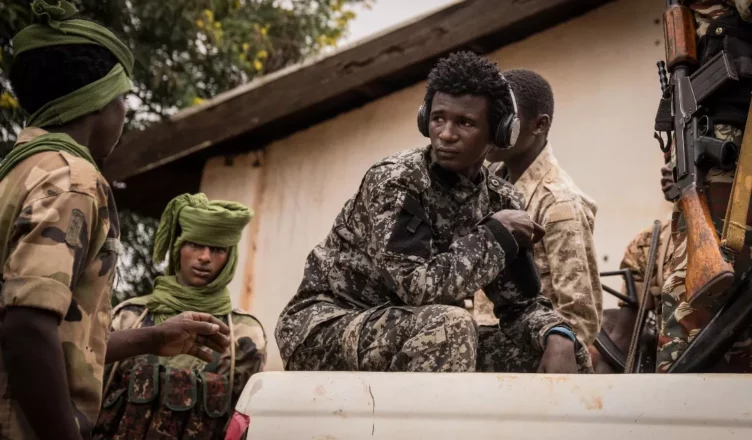
Puntland security forces on Wednesday stormed a military camp occupied by fighters loyal to Somalia’s federal government. After about an hour of intense fighting, regional authorities announced they had taken control of the facility, marking a new escalation in tensions between Mogadishu and Somalia’s federal member states.
According to Puntland President Said Abdullahi Deni, the operation targeted a base where the federal government had recently deployed weapons, military equipment and reinforcements in what he described as an attempt to undermine the autonomous region’s security and stability. He accused Somali President Hassan Sheikh Mohamud of jeopardizing the country’s already fragile peace and threatening the long-standing stability enjoyed by Puntland.
Puntland police said they arrested 101 people, including 60 who were wounded, and seized firearms, ammunition and several vehicles. The camp had previously been occupied by forces under Puntland’s authority before their commanders recently pledged allegiance to the federal government.
Residents of Galkayo, where the clashes took place, reported the use of heavy weapons, including mortars. Several shells reportedly landed in residential areas, causing casualties, although no official death toll has been confirmed. Witnesses said the pro-Mogadishu fighters retreated to the southern part of the town after being overwhelmed.
The latest confrontation comes amid growing tensions between Somalia’s federal government and several federal member states. Relations have deteriorated since the adoption in March of a constitutional amendment extending the presidential term from four to five years, a move strongly opposed by several regional leaders.
In recent months, federal forces have also intervened in Baidoa to remove the president of the South West State, while previous clashes had already pitted the national army against forces from Jubaland.
The ongoing political crisis is further compounded by persistent insecurity caused by repeated attacks by the al-Shabaab militant group, affiliated with al-Qaeda, which continues to control vast rural areas across the country.