
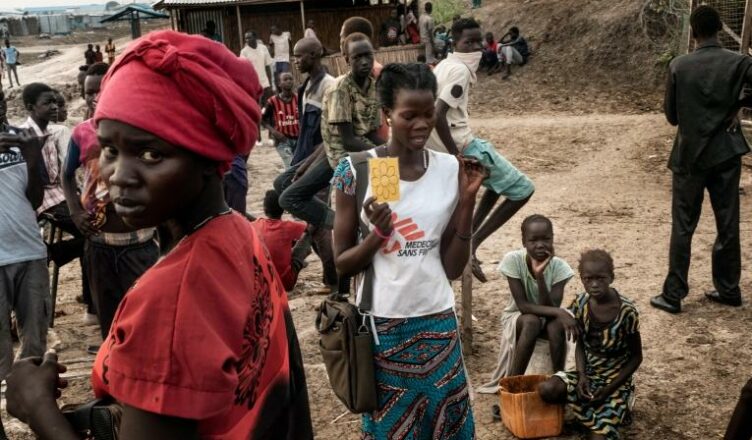
In Sudan, the widespread use of rape and sexual violence in the ongoing conflict is causing deep trauma, particularly affecting the mental health of victims, according to warnings from UN agencies and local organizations.
Since April 2023, fighting between the regular army and the paramilitary Rapid Support Forces (RSF) has plunged the country into a major crisis. The human toll has reached tens of thousands of deaths, while around 11 million people have been forced to flee. In this context, sexual violence has intensified.
A recent report by Doctors Without Borders indicates that between January 2024 and November 2025, at least 3,396 survivors—mostly women and girls—were treated in facilities supported by the NGO in Darfur. These figures are widely underestimated, according to the World Health Organization (WHO), which refers to them as only “the tip of the iceberg.”
Access to care remains extremely limited. At a meeting in Geneva, Avni Amin, a WHO official, pointed to insecurity, the difficulty of reaching still-operational medical centers, persistent stigma, and the lack of qualified personnel. “For every woman who speaks out, eight or nine others remain silent,” she emphasized.
On the ground, the situation is alarming. Niemat Ahmadi, from the Darfur Women Action Group, describes survivors facing dire conditions after gang rapes, often accompanied by severe complications. Already scarce in normal times, specialized doctors are now almost entirely absent.
Traveling to a medical center also poses a major risk. Some hospitals are controlled by armed groups, discouraging victims from seeking help. Ms. Ahmadi even reports an attack on a facility where a healthcare worker was raped and killed by fighters.
The situation is further worsened by the withdrawal of international NGOs, forced by insecurity and reduced humanitarian funding. Local structures, often led by women, are struggling to cope despite the urgency.
For the United Nations, rapid access to care is crucial. Shoko Arakaki, from the United Nations Population Fund, stresses the importance of treatment within 72 hours. However, the lack of services and medication is undermining this response. At the same time, the need for psychosocial support is surging, with a worrying increase in suicides.
Faced with these tragedies, experts stress the urgent need to integrate mental health into humanitarian aid. The consequences, they warn, will be long-lasting and could deeply affect future generations.