
Brussels – On Wednesday, July 9, the European Parliament officially voted to include Algeria on the list of high-risk third countries regarding money laundering and the financing of terrorism.
This decision by Brussels is seen in diplomatic circles as an unambiguous signal to the Algerian military regime, which is playing a double game with Iran’s clerical establishment.
The measure, based on technical reports submitted to the European Commission, highlights serious shortcomings in Algeria’s system for combating illicit financial networks. Concerns focus particularly on the opacity of fund transfers, the lack of oversight of NGOs, and the absence of judicial cooperation with international partners.
“Good news!” commented Laurence Trochu, Member of the European Parliament from the European Conservatives and Reformists (ECR) group, on X (formerly Twitter), welcoming a step toward greater vigilance in the face of growing transnational threats.
Immediate Reaction in Algiers:
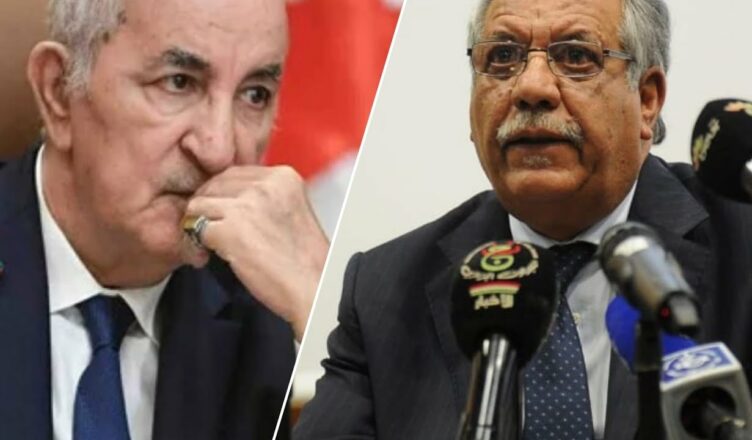
According to sources close to the regime, a restricted security council was urgently convened under the authority of Boualem Boualem, a shadow figure of the regime alongside President Abdelmadjid Tebboune and Chief of Staff Saïd Chengriha.
Allegations of Secret Complicity:
Following this European classification, more serious revelations are emerging. Several confidential reports from European intelligence services point to the involvement of financial structures close to the Algerian regime in fund transfers to unstable countries in the Sahel, as well as to Iran.
A memo, unpublished but reviewed by a source close to the matter, describes suspicious financial flows linking Algiers, Tehran, certain Latin American cartels, and jihadist groups in the Middle East. The document mentions Algeria’s increasing instrumentalization and financial support to armed entities such as Hamas and the Houthis.
Projection of Influence and Controlled Chaos:
According to several security experts on the Sahel, these operations are part of Algeria’s external projection strategy, aiming to offset its internal fragilities (economic crisis, social unrest) through an aggressive influence policy in Africa.
“Algeria is using mercenaries from its southern military bases as a pressure tool,” confides an officer of the Algerian gendarmerie.
According to foreign security services, several fighters have recently been spotted in border areas with Mali, Niger, and Mauritania.
These redeployments from southern Algeria have also been observed, according to our sources and confidential satellite imagery.