
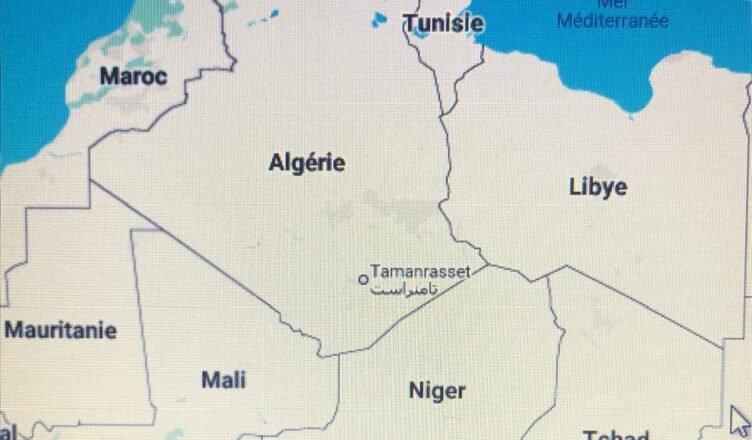
An incident occurred last week at a checkpoint operated by the Algerian National Gendarmerie, a few kilometers from Tamanrasset in southwestern Algeria.
According to local and security sources, members of the National Gendarmerie attempted to intercept and inspect a suspicious military convoy, composed of three covered trucks and other vehicles escorted by soldiers, heading south without official authorization.
Testimonies from local residents and security personnel indicate that the gendarmes had been alerted to unusual movements of military vehicles traveling at night on unofficial routes.
During the attempted inspection, officers from the National People’s Army (ANP) reportedly refused categorically, claiming they were on a “confidential mission”.
Tensions escalated when the gendarmes insisted on inspecting the cargo, leading to a brief exchange of gunfire.
Wounded individuals were said to have been discreetly evacuated to medical facilities in Tamanrasset and Adrar.
Though officially unacknowledged, the incident reflects growing tensions between various armed forces operating in the south, particularly between the Gendarmerie and certain special units of Algerian intelligence services directly linked to the High Military Command under General Saïd Chengriha.
According to a former Algerian colonel now in exile, speaking under anonymity: “The south has become a strategic blind spot. There are parallel supply circuits, military and financial, running toward northern Mali, Niger, Burkina Faso, and Chad. Some officers enjoy near-total autonomy, protected by their positions within the system”.
For several years, confidential reports have been circulating among Western diplomatic and intelligence circles, pointing to the Algerian army’s ambiguous role in the Sahel.
Suspicions include the provision of equipment, fuel, and even intelligence to certain armed factions operating in northern Mali—including Tuareg separatist groups and Islamist elements—in what appears to be an indirect counterinsurgency strategy against French forces and pro-Western African interests.
Bordj Badji Mokhtar, Tamanrasset, and In Guezzam have now become critical hubs for multiple flows: illegal migration, smuggling, arms trafficking, and also covert cross-border military operations justified under reasons of state.