
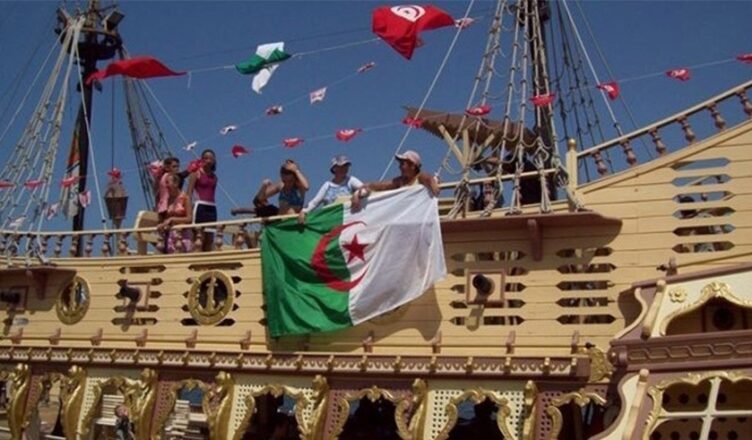
This summer, Tunisia quietly implemented a form of tourist segregation: some hotels were almost exclusively reserved for Algerian visitors, while others catered only to European tourists. Though unofficial, the practice highlights deep flaws in the country’s tourism strategy.
In popular coastal destinations such as Hammamet, Sousse, and Djerba, several hotels were designated primarily for Algerian clients. Meanwhile, other resorts hosted only Western tourists, often in partnership with European tour operators.
“When we arrived in Hammamet, we were told that certain hotels were no longer available to us,” says Samir, 42, who came from Algiers with his family. “We were directed to ‘family-friendly’ places, which were 90% Algerian. It felt like we were being herded.”
In contrast, upscale resorts tied to European agencies were effectively « sanctuarized », reserved exclusively for tourists from Europe.
“We booked our trip from Paris. The hotel was beautiful and very quiet, recalls Caroline, 34, visiting with her partner. But while we were there, a staff member mentioned that Algerians weren’t accepted here this summer. I was shocked. I didn’t think such a division existed”.
This unofficial policy was driven by two main factors: economics, since Europeans pay in hard currency and generate higher margins, and sociocultural considerations.
According to hotel managers, the expectations of each group vary. “European tourists tend to prefer relaxation, wellness, and cultural excursions”, says one manager, “while Algerians often travel in extended families, with a more communal style”.
“I tried booking a hotel in Sousse, but was told it was full. Yet my French friends managed to get a room the same week”, says Amina, 29, from Constantine. “It’s hard not to feel discriminated against”.
Tunisia’s Ministry of Tourism has never acknowledged the practice, but several hotel operators in Hammamet and Sousse admit that instructions were issued as early as spring.
“Some hotels were to remain exclusively for Europeans, others for Algerians”, confides one hotel director under condition of anonymity. “It avoided conflicts and protected profit margins.”
A hotel employee confirmed: “We were clearly told to steer bookings accordingly. It was uncomfortable, especially when Algerians tried to reserve in a ‘European’ hotel. But the guidelines were strict”.
Should this informal segregation become formalized, it could provoke backlash in Algeria, Tunisia’s largest tourist market, with over three million visitors annually.
For now, the policy remains under the radar. But many within the industry believe it’s likely to continue, given its immediate financial benefits.
“We love Tunisia, it’s close and affordable,” says Samir. “But if we keep being treated like second-class clients, many Algerians will start looking elsewhere”.