
In Washington’s strategic intelligence circles, Algeria is increasingly analyzed through what several experts describe as a “hostile triangle”: the Polisario Front, Algeria’s influence in the Sahel, and the power of its intelligence services.
The first element of this triangle concerns the Polisario Front. Based in the Tindouf camps on Algerian territory, this separatist movement has, for decades, benefited from Algeria’s political, diplomatic, financial, and military support. Officially, Algeria maintains that it is defending the principle of the right of peoples to self-determination.
For U.S. intelligence services, however, the Polisario is seen as a tactical instrument in the rivalry between Algiers and Rabat, echoing broader East–West geopolitical dynamics.
Since the United States recognized Morocco’s sovereignty over Western Sahara in 2020, the Saharan issue has become a direct point of friction between U.S. regional policy and Algeria’s position.
“The Polisario now acts as a factor of tension in the balance of the Maghreb and the Sahel,” says an analyst specializing in security issues. “For strategists, the movement is perceived as a lever allowing Algiers to maintain pressure on its Moroccan neighbor, a key ally of Washington in Africa.”
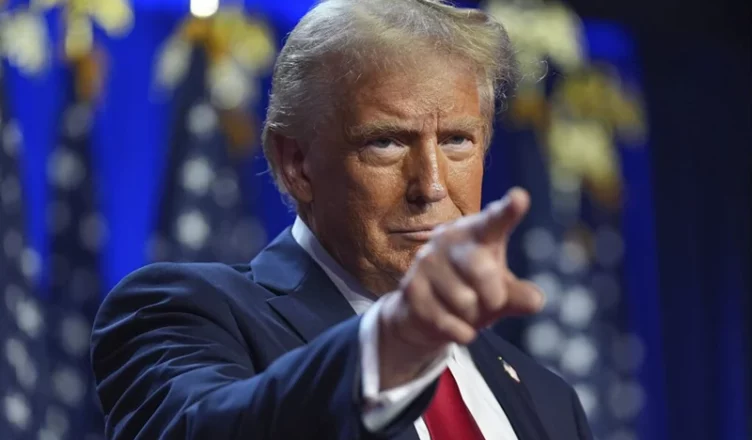
According to security observers, military operations claimed by the Polisario against Moroccan positions are interpreted as a direct challenge by the organization to the regional order and to the U.S. administration of President Donald Trump.
But the most sensitive questions concern the Sahelian and Saharan belt.
For more than a decade—and especially over the past three years—this region has become one of the most unstable security zones in the world. The crises affecting Mali, Niger, Burkina Faso, Chad, Sudan, and Libya, along with the proliferation of jihadist groups and successive armed movements, have profoundly reshaped the Sahel-Saharan balance.
In this context, Algeria has established itself as an essential diplomatic actor. The peace agreements signed in Algiers in 2015 between the Malian government and several rebel groups illustrated this ambition.
However, some African diplomats believe that Algeria’s position in the region goes beyond simple mediation.
“Algiers’ primary objective is the creation of a security buffer zone—or even a state—in northern Mali, south of its borders,” explains a former Algerian diplomat with ties to the intelligence services, now living in exile in Europe, speaking on condition of anonymity.
At the heart of these dynamics are Algeria’s intelligence services.
Forged during the civil war of the 1990s, these services are often described by specialists as one of the most experienced security apparatuses on the African continent. Their knowledge of jihadist networks and clandestine dynamics in the Sahara and the Sahel is widely acknowledged.
But this expertise also feeds a more ambiguous reputation. Algerian intelligence services are known for their ability to operate in gray areas, according to an Algerian general currently under house arrest.
“Between unofficial diplomacy, intelligence work, and direct and indirect influence, they possess a unique experience comparable to that of Iran’s Revolutionary Guards in managing asymmetric conflicts.”
Algerian authorities categorically reject these interpretations, asserting that their regional policy is solely aimed at protecting national security and combating jihadist groups active in the Sahel.
Within intelligence circles, the combination of support for the Polisario, Algeria’s influence in the Sahelian belt, and the strength of its security apparatus continues to fuel growing debate over the true role of General Saïd Chengriha’s military regime in regional balances—particularly regarding the risk of triggering a potential conflict driven primarily by internal power considerations.