
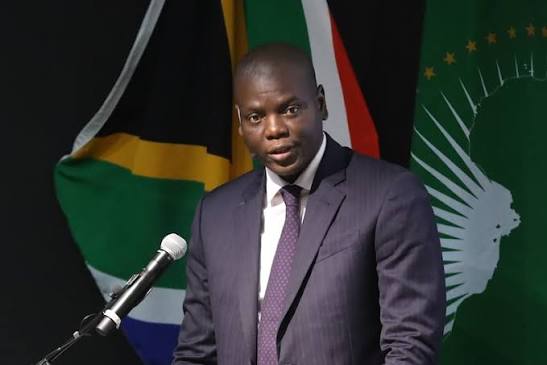
Nigeria and South Africa have agreed to tone down rhetoric that could inflame tensions between the two countries amid a surge in xenophobic violence in South Africa. The agreement was announced on Tuesday by the South African government following a diplomatic mission to Abuja.
During talks held on Monday, South African Minister of International Relations and Cooperation Ronald Lamola and Nigerian officials stressed the need to end inflammatory public statements and prevent any hostile actions that could further strain bilateral relations.
At the meeting, Lamola reaffirmed his government’s condemnation of all forms of racism, discrimination, and intolerance. He also emphasized that while Pretoria would continue prosecuting individuals involved in criminal activities regardless of their nationality, it would not tolerate vigilante justice or violence targeting foreign nationals living in South Africa. He added that several arrests had already been made and investigations were ongoing.
The minister also cited several issues that have fueled tensions in recent months, including the controversial appointment of an « Igbo king » by part of the Nigerian community in South Africa’s Eastern Cape province. He further stated that more than 500 Nigerians had been prosecuted for their alleged involvement in organized crime, drug trafficking, and financial fraud. He also referred to incidents involving the illegal occupation of residential and commercial properties in parts of Johannesburg and Pretoria.
According to Lamola, these developments have contributed to a negative perception of the Nigerian community in South Africa. He called for these issues to be addressed firmly, fairly, and within the framework of the rule of law in order to safeguard relations between the two countries.
The diplomatic initiative comes after months of growing tensions between Abuja and Pretoria. Nigeria had previously summoned the South African ambassador and described the xenophobic attacks as a form of « apartheid. »
Tensions reached their peak on June 30, when thousands of demonstrators took to the streets demanding that undocumented migrants leave the country. According to the South African government, nearly 73,000 people have left the country over the past two months. Meanwhile, several African nations including Zimbabwe, Kenya, Ghana, Uganda, Malawi, and Mozambique, have repatriated thousands of their citizens from South Africa.