
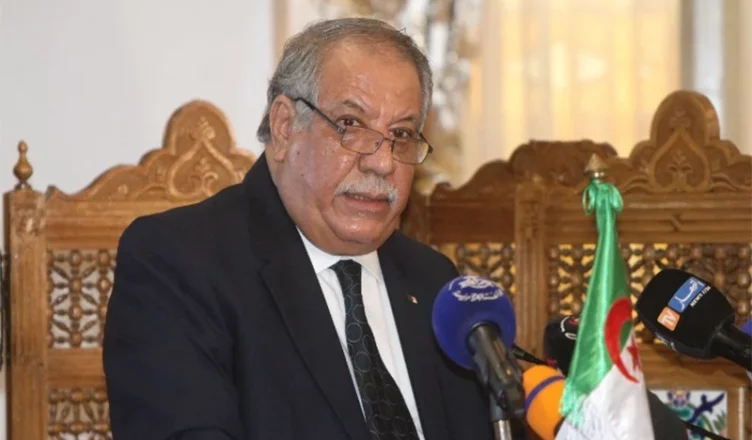
In the corridors of the El Mouradia presidential palace, political unease is growing by the day.
Officially at the helm of Algeria, President Abdelmadjid Tebboune is increasingly seen as a sidelined leader, overshadowed by two powerful behind-the-scenes figures: his chief of staff, Boualem Boualem, and the army’s chief of staff, General Saïd Chengriha. Together, these two men are viewed as the true architects of the country’s political and military decisions.
According to sources close to the inner circles of power, the presidency is effectively under supervision. President Tebboune has gradually withdrawn from the day-to-day affairs of government, allowing Boualem and General Chengriha to shape the political direction of the country.
“The president signs off on what is put in front of him, but it’s the chief of staff and the head of the army who write the script,” confides a presidential adviser, speaking on condition of anonymity.
Chief of staff Boualem is described as a shrewd and formidable operator, well-versed in administrative maneuvering and backed by a wide network of loyalists within the state apparatus. He not only oversees key appointments but also steers the regime’s social, economic, and media policies.
At the same time, General Saïd Chengriha, a central figure in the military, has expanded his influence on both the public and diplomatic stage.
“He negotiates security agreements with foreign governments, makes defense-related decisions, and controls appointments within both civilian and military security institutions. The president, though head of state and minister of defense, obeys his every command,” says a local political analyst.
According to a general currently under house arrest, Algeria is facing a worrying authoritarian drift.
The growing concentration of power in the hands of two unelected individuals is causing concern among many observers. Investigative journalists and civil society members speak of an “institutional hostage situation” and denounce the absence of effective checks and balances. Judicial decisions are often politically influenced, the media is tightly controlled, and the opposition is stifled.
Internationally, Algeria’s partners are growing wary. The country’s once-cautious diplomatic stance has become increasingly erratic and, at times, contradictory.
“We no longer know who speaks for Algeria — the president, his chief of staff, the army chief, or the official press,” say European diplomats based in Algiers.