According to several African and Israeli security sources, the Algerian military regime has formed a special unit of about 320 handpicked mercenaries to carry out clandestine operations against its neighbors, Mali, Niger, and Burkina Faso, amid rising border tensions.
Unofficially named “KL-7 or Khalid ibn al-Walid”, this paramilitary formation is said to have been established within an isolated base in the southern Algerian desert. Its creation is believed to date back two years, but it is only recently that the first operations attributed to the unit have been detected. The unit is structured into four autonomous squadrons:
– Squadron Alpha: Assault forces, about 120 men.
– Squadron Brume: Sabotage and intelligence specialists, 60 members.
– Squadron Delta: Drone units and electronic warfare, 40 technicians.
– Squadron Ombre: Snipers, covert operations, 100 operators.
According to the same sources, the unit is equipped with a modern, hard-to-trace arsenal: adjustable-caliber assault rifles; tactical drones capable of jamming communications; portable surface-to-surface missiles used for rapid strikes; surface-to-air missiles; next-generation night vision equipment; and light armored vehicles modified for the rocky terrain of the border.
The unit’s operations are reportedly focused on three main objectives:
1. Targeted destabilization: Attacks on energy and logistical infrastructure in Mali and Niger to create economic pressure.
2. Intelligence gathering: Extracting information on the military movements of neighboring forces.
3. Psychological operations: Discreet operations aimed at sowing confusion among Sahel forces and the border populations.
Western observers are calling for caution. Some analysts fear that the use of an unofficial unit allows the Algerian government to carry out operations without formally assuming responsibility for them.
For its part, Mali has stepped up its border patrols and claims to have intercepted communications “pointing to the existence of a highly organized non-state actor”.
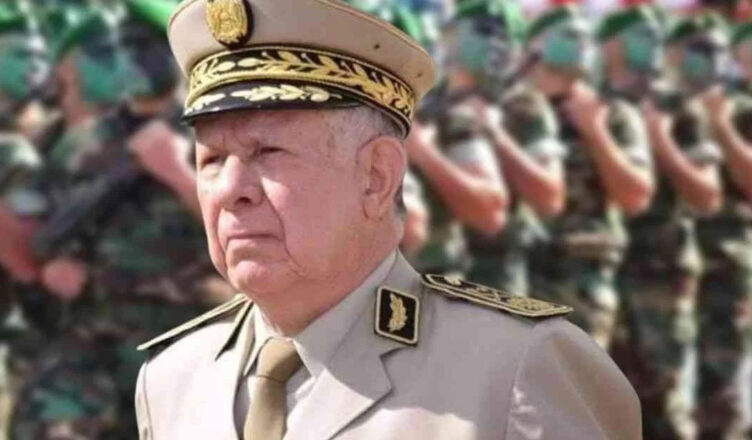
By outsourcing part of its military operations to mercenaries, the military regime of General Saïd Chengriha would have a flexible tool capable of intervening without formally triggering an open conflict.
Even more troubling, operational links between the Spectre Unit and jihadist groups active in the region, including Al-Qaeda, ISIS, pro-Algerian Tuareg factions, elements of Hezbollah, and Iranian agents, are said to range from information sharing and coordinating joint attacks to the delivery of sophisticated weaponry, according to an Algerian national gendarmerie officer.
On the ground, both in the Middle East and the Sahel, the State of Israel and the current Sahel States Alliance (AES) are facing terrorist groups such as Lebanese Hezbollah, Hamas, Iran, and other jihadist entities supported by the Algerian military regime.
Algeria: A special mercenary unit secretly created to carry out covert operations in the Sahel (Analysis)