
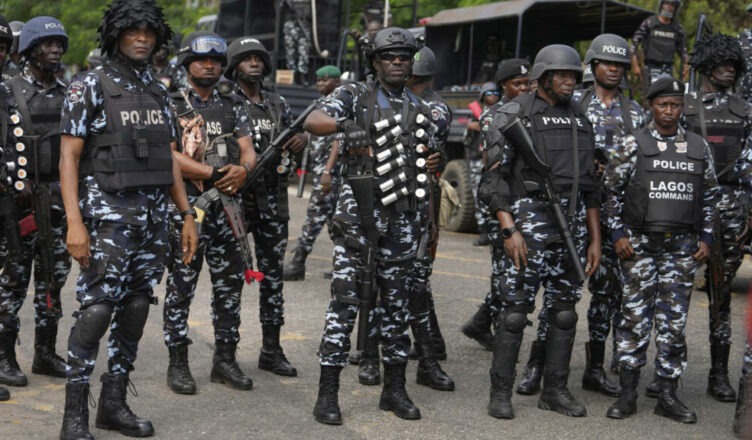
Nigerian President Bola Tinubu announced on Wednesday the declaration of a national security state of emergency, following a series of mass kidnappings that have recently shaken the country. Over 350 people have been abducted in the past ten days, putting increasing pressure on the government to address the growing insecurity, which is particularly affecting central and northern Nigeria.
Nigeria, the most populous country in Africa with around 230 million people, has been grappling with chronic insecurity, fueled by repeated attacks and large-scale kidnappings. Among the recent victims, more than 300 students and teachers from a Catholic school in Papiri, Niger State, 25 Muslim female students in Maga, Kebbi State, and dozens of worshippers and civilians from other regions were kidnapped. While some hostages have been released, several dozen people remain missing.
To address this crisis, Tinubu has ordered the recruitment of additional law enforcement personnel: 20.000 extra police officers will be recruited, bringing the total number to 50.000 officers. Additionally, the president has authorized the immediate deployment of forest rangers to track down terrorists and bandits operating in rural areas, particularly in forests where these groups are hiding.
The president has also reassigned police officers initially tasked with the protection of political figures to more essential missions, such as the protection of civilians. Until now, a quarter of the police force had been assigned to the security of politicians and their families. Tinubu emphasized the need for enhanced training for these officers to ensure a more effective response to the escalating violence.
The rise in kidnappings comes amid a backdrop of international tensions. Last month, former U.S. President Donald Trump raised the possibility of American military intervention to stop the « murders of Christians » attributed to jihadist groups, accusations which Nigeria has firmly rejected.
The country has been battling a jihadist insurgency in the northeast since 2009, while also confronting criminal gangs, known as « bandits, » who continue to carry out attacks and kidnappings for ransom.