
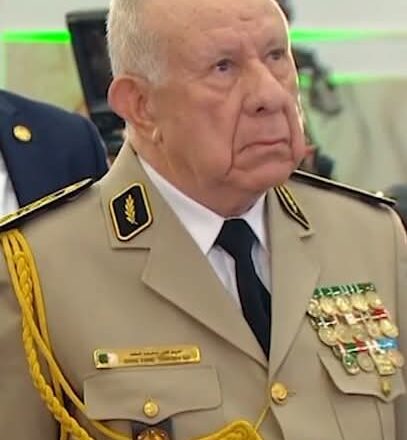
By authorizing the deployment of troops by General Saïd Chengriha to Niger on Sunday, under the guise of protecting energy facilities, with the approval of both chambers of the Algerian Parliament, Algeria is making a major shift in its foreign military policy.
This decision strengthens its involvement in Sahelian affairs, but raises concerns about Algiers’ strategic ambitions, the risks of undermining Nigerien sovereignty, and the repercussions of an additional foreign military presence in a region already plagued by deep tensions.
Tiani is facing the trap of Niger’s sovereignty. Since the July 2023 coup d’état, General Abdourahamane Tiani has made national sovereignty and the break with certain Western partners pillars of his political discourse.
The arrival of foreign military forces reveals a paradox for Tiani’s regime, which claims Niger’s strategic independence while depending on new foreign partners to protect its most sensitive infrastructure.
For the Nigerien authorities, the risk is as political as it is security-related, following former President Mohamed Bazoum, who was pro-Algerian. If this cooperation does not produce tangible results, it could fuel criticism of the limitations of his strategy and of the ability of Niger’s national forces to ensure the protection of the territory on their own.
The Algerian regime does not deploy military resources abroad without defending its own domestic interests. The security of its southern borders, cross-border threats, and energy-related issues constitute major strategic means for remaining exclusively in power in Algeria.
For Western analysts, it would be naive to consider this initiative a disinterested gesture or an act of cooperation. By becoming directly involved in Niger, President Abdelmadjid Tebboune’s Algeria wants to strengthen its influence in Sahelian affairs and assumes a more important role in shaping regional balances, for the benefit of Algerian public opinion.
This Algerian military presence raises serious concerns about the extent of Algiers’ ambitions and Niger’s ability to preserve its strategic independence and control over its own security decisions.
For experts, Algeria’s involvement and its collusion with Islamist and jihadist terrorist groups in the Sahel add a major player to an already complex security landscape, where Niger maintains relations with Russia in particular and cooperates with Mali and Burkina Faso within the Alliance of Sahel States .
Protecting energy facilities is essential to Niger’s economy and state revenues. But when the security of strategic sites relies on the support of a foreign power, the question of dependency inevitably arises.
The Sahel, and more broadly the Greater Sahel, does not need a new rivalry for influence between foreign powers, but rather transparent, coordinated, and genuinely effective cooperation to combat insecurity and preserve the sovereignty of the states in the region.