
The announcement made on Thursday by Ethiopian Prime Minister Abiy Ahmed regarding the completion of the Grand Ethiopian Renaissance Dam (GERD) has reignited regional tensions. Presented by Ethiopia as a symbol of national development, this massive hydropower project has for over a decade raised serious concerns among its downstream neighbors, Egypt and Sudan.
Touted as the largest hydroelectric structure on the African continent, the GERD spans nearly two kilometers in width and stands 145 meters tall. Launched in 2011 at an estimated cost of $4 billion, it represents Addis Ababa’s ambition to secure energy independence and meet the growing needs of its population.
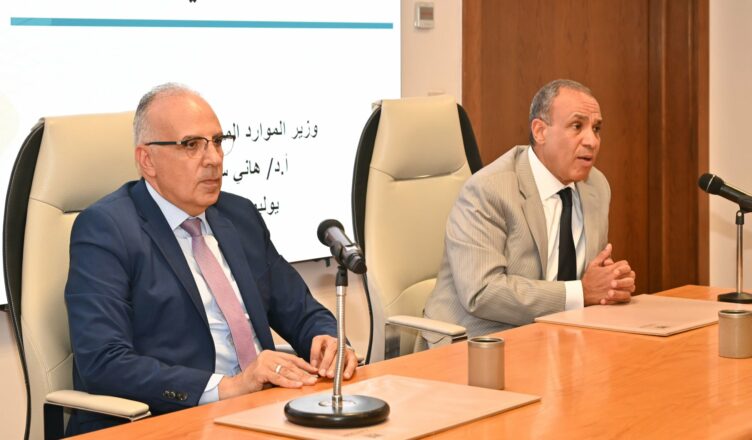
But in Cairo, this milestone has not been welcomed. Egypt’s Minister of Water Resources, Hani Sewilam, strongly condemned what he called Ethiopia’s “unilateral measures.” During a meeting with foreign diplomats, he asserted that Egypt firmly rejects any attempt at development “at the expense of the rights of downstream countries.”
According to Cairo, Addis Ababa’s decisions reflect a policy of fait accompli, disregarding years of diplomatic efforts aimed at reaching a trilateral agreement between Egypt, Sudan, and Ethiopia on the filling and management of the dam. “Instead of engaging in genuine negotiations, Ethiopia chooses to press ahead unilaterally,” the minister said.
For his part, Prime Minister Abiy Ahmed sought to reassure: “To our downstream neighbors, Egypt and Sudan, our message is clear: the Renaissance Dam is not a threat, but a shared opportunity.”
However, such reassurances have failed to convince. Earlier this week, Egyptian President Abdel Fattah al-Sisi and Sudanese leader Abdel Fattah al-Burhan reiterated their rejection of any unilateral actions affecting the flow of the Nile. Both countries insist that no further filling of the reservoir should occur without a prior agreement.
For Egypt, the Nile is a matter of national survival. The river provides approximately 97% of the country’s freshwater needs—vital for agriculture, consumption, and industry. Fears of a significant reduction in water flow have fueled geopolitical tensions since the dam’s construction began.
With the official inauguration of the GERD scheduled for September, negotiations remain stalled. Egypt and Sudan are calling for a renewed dialogue under international mediation, while Ethiopia appears determined to continue its current strategy, convinced the dam is key to its economic future.