The Algerian military regime has supported the Polisario since the 1970s, hosting them in the Tindouf camps, historically part of Morocco.
According to reports from Tel Aviv, no formal condemnation has been issued due to diplomatic and economic pressure on Europe exerted by the Algerian military regime led by General Saïd Chengriha and President Abdelmadjid Tebboune. Both have been accused of antisemitism and of defying the American administration under President Donald Trump, particularly in relation to operations in Iran and Israel’s war against the terrorist group Hamas under Prime Minister Benjamin Netanyahu.
Historians, Western analysts, and French colonial archives point to a deep-rooted fear as one explanation: the fear that Morocco might eventually lay claim to historically Moroccan territories that were stripped away during French colonization, such as Tindouf or areas in the south and northwest of present-day Algeria.
Algeria’s support for the Polisario is part of a broader strategy to corner Morocco politically and to preserve the influence of its military regime in North Africa.
Ironically, many Polisario leaders and their families live abroad, mainly in Spain, where they hold Spanish nationality and enjoy comfortable living conditions, financed by Algeria.
Meanwhile, Sahrawi populations in the Tindouf camps live under strict control, with no freedom of movement or access to fundamental rights. No official census has ever been conducted, and the origins of the camp residents many from Algeria, Mauritania, and other African countries, remain unclear after fifty years, according to UN experts.
While the United States, Israel, many Arab nations, several African, Latin American, and Asian states support either Morocco’s sovereignty over the Sahara or its autonomy proposal, some European countries continue to back the Polisario, despite increasingly uncomfortable revelations.
In Europe, several left-wing parties still champion the Polisario cause in the name of the right to self-determination. Some elected officials even travel to the camps to express solidarity.
But these positions often ignore documented abuses in Tindouf: repression, torture, arbitrary detention, child soldier recruitment, and the diversion of humanitarian aid, all reported by Amnesty International, Human Rights Watch, and the United Nations.
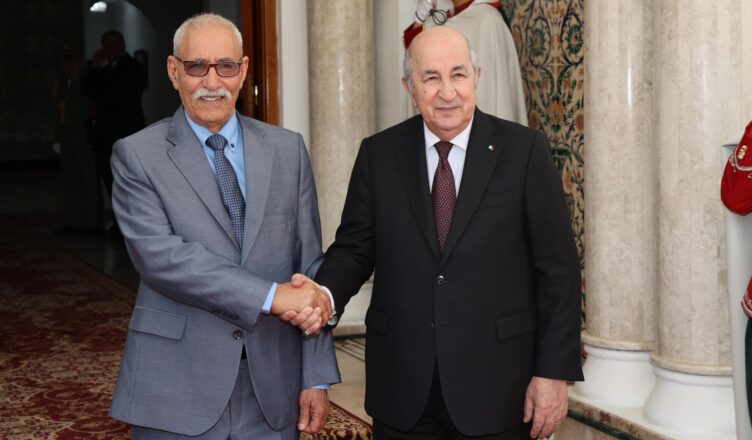
Despite serious allegations against its leader Brahim Ghali, who once entered Spain under a false identity, the Polisario Front continues to enjoy support from some European political parties.
Ghali, the movement’s secretary general since 2016, stands accused of rape, torture, arbitrary detention, and of ties between the Polisario and Iranian-backed militias in Syria and the Middle East, as well as drug traffickers in the Sahel region.