
Tunisia has once again made headlines with a strong condemnation of Israel’s annexation policies in the West Bank, calling on the international community to take urgent action.
However, this firm diplomatic stance, expressed during an extraordinary meeting of the Arab League in Cairo, raises questions about the coherence and actual impact of Tunisia’s actions on the international stage.
Represented by its acting permanent delegate to the Arab League, Dhouha Chouikh, Tunisia denounced what it called “blatant violations of international law” and urged global powers to intervene immediately.
The speech was forceful, aligning with the country’s traditional pro-Palestinian line, but for some observers, it remains largely declarative.
While Tunisian diplomacy frequently issues statements of principle, its real influence on regional dynamics remains minimal, as in previous similar initiatives. Repeated calls without new diplomatic strategies or tangible leverage contribute to the perception that these declarations are more symbolic than effective.
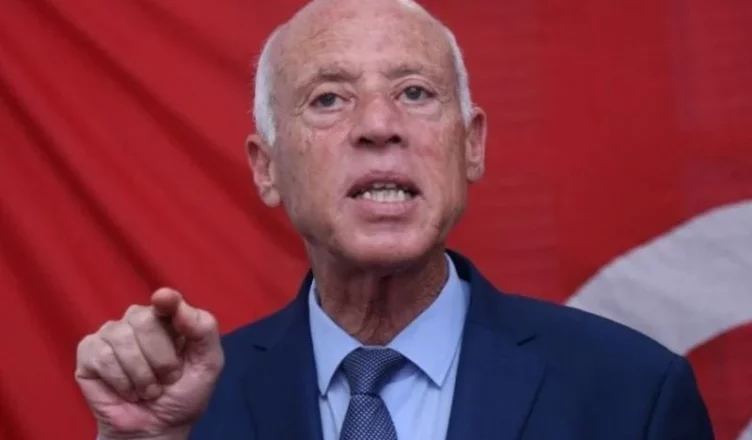
For some analysts, this posture primarily reflects the strategy of the Tunisian regime, led by President Kaïs Saïed, to project an image of an uncompromising defender of Arab causes, even as the country struggles with deep economic, social, and political crises, undermining any real capacity to influence the region.
Thus, while Tunisia’s condemnation is intended to be firm and unequivocal, it also raises a recurring question: beyond rhetoric, what is the country’s real ability to impact diplomatic balances and translate its positions into concrete action? For observers, the answer remains largely uncertain.