
The World Health Organization (WHO) believes that the Ebola outbreak currently affecting the Democratic Republic of Congo (DRC) had likely been circulating for several months before being detected. The scale of the spread suggests that the situation could be far more serious than the officially confirmed figures reported so far.
Speaking during a press briefing, Anaïs Legand, a WHO technical expert specializing in viral hemorrhagic fevers, explained that investigations are still ongoing to determine the exact origin of the outbreak. She nevertheless stressed the urgent need to strengthen contact tracing, patient isolation, and the treatment of suspected and confirmed cases in order to break the chain of transmission.
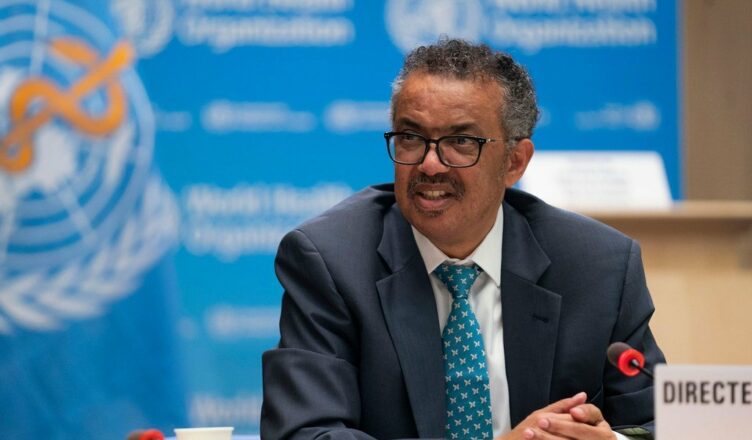
WHO Director-General Tedros Adhanom Ghebreyesus stated that the risk associated with the outbreak is considered high at both the national and regional levels, particularly in the DRC and Uganda, while remaining low globally.
The organization recently declared a Public Health Emergency of International Concern in order to rapidly mobilize the international community. According to Tedros Adhanom Ghebreyesus, this exceptional decision followed consultations with health authorities in both the DRC and Uganda.
According to WHO data, 51 confirmed Ebola cases have been recorded in the DRC, notably in the provinces of Ituri and North Kivu, including the cities of Bunia and Goma. Uganda has also reported two confirmed cases in the capital, Kampala, including one death linked to travelers arriving from the DRC. In addition, an American national working in the DRC tested positive before being transferred to Germany.
However, the WHO estimates that the actual scale of the outbreak could be much larger, citing nearly 600 suspected cases and 139 suspected deaths. The organization expects the figures to continue rising because the virus had been circulating for an extended period before being identified.
Several factors are increasing the risk of further spread, including infections among healthcare workers, the expansion of the virus into densely populated urban areas, and large-scale population movements in eastern DRC. The security situation in Ituri, marked by violence and the recent displacement of more than 100,000 people, is also complicating response efforts.
The WHO noted that the outbreak is caused by the Bundibugyo strain of the Ebola virus, for which no approved vaccine or treatment currently exists. The organization has already deployed personnel, medical supplies, and emergency funding, bringing its immediate support to nearly $3.9 million.