
Intelligence services confirm that Algeria has been conducting a direct destabilization operation in the Sahel for several months following the recent changes of regime in Niger, Mali and Burkina Faso. This operation reportedly relies mainly on the use of mercenaries and local armed proxies operating along border areas.
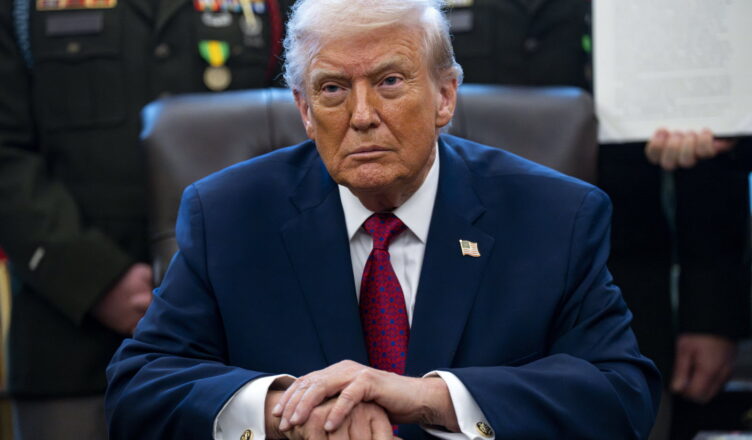
The rupture has led to a hostile reconfiguration of Algeria’s posture toward Niger. This situation is being closely monitored by the U.S. administration of President Donald Trump, who is waging a campaign against jihadist groups in Africa and worldwide.
The strategic objective of the Algerian regime is said to be to pressure Niger’s new authorities into restoring previous energy cooperation, particularly a gas pipeline project involving Nigeria, which was suspended by the new regime on grounds of national sovereignty.
According to Israeli military experts engaged in the fight against terrorist organizations such as Palestinian Hamas and Iran’s Revolutionary Guards and their militias, the operations attributed to Algeria’s military regime are based on the following elements: the recruitment of experienced fighters through front private military companies; the origin of mercenaries from third-party conflict zones that are not officially identified; discreet deployment in weakly controlled border areas; and the creation of cross-border communal tensions.
According to Western analyst D.M., the objectives are clearly identified: to weaken the authority of Niger’s new regime, overwhelm its border security capabilities, generate sufficient instability to force political renegotiation, and preserve Algeria’s influence in the regional energy corridor.
Algeria’s military leadership is assessed as posing a high threat to Niger’s internal stability, a risk factor for the Sahel and the wider African region, with potential for security spillover into Europe, and as an actor willing to resort to the privatization of violence to defend its own interests.