
In response to a severe fuel shortage, Mali has announced the nationwide closure of schools and universities starting Monday, October 26. This situation is the result of a fuel import blockade imposed by jihadist militants on the capital, Bamako.
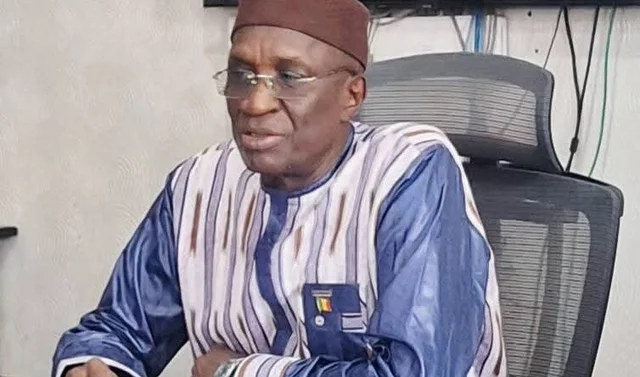
Education Minister Amadou Sy Savane clarified on national television on Sunday that classes would be suspended for two weeks “due to disruptions in the fuel supply, affecting the movement of school staff.”
The blockade was ordered in early September by the jihadist group Jama’at Nusrat al-Islam wal-Muslimin, affiliated with Al-Qaeda, which banned fuel imports from neighboring countries. This measure has severely impacted Mali’s already fragile economy, with hundreds of fuel tankers stranded at the border.
Mali, like its neighbors Burkina Faso and Niger, is embroiled in an insurgency led by armed groups, some of which are allied with Al-Qaeda or the Islamic State group.
Following military coups in these three countries in recent years, the new authorities have expelled French forces and turned to Russia, seeking support from the Africa Corps, a Russian paramilitary organization.
In Bamako, long queues have formed in front of gas stations, while the fuel shortage has led to rising prices for essential goods and transportation.
The Malian military has attempted to escort some fuel tankers from the border regions to the capital. While some trucks have successfully reached their destination, others have been attacked by armed Islamist groups.
The Education Minister assured that authorities were « doing everything possible » to restore fuel supplies before schools are scheduled to reopen on November 10, 2025.