
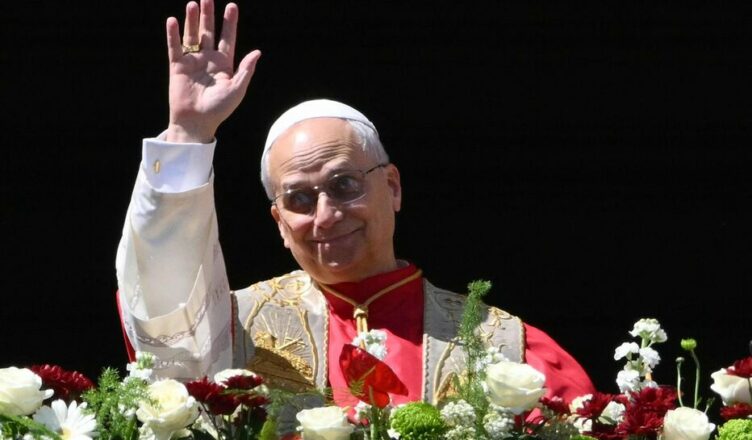
Ahead of Pope Leo XIV’s visit to Algeria, scheduled from April 13 to 15, a first for a pontiff in the country, three international human rights organizations have raised concerns with the Vatican over several sensitive issues.
In a joint letter addressed to the head of the Catholic Church, EuroMed Rights, Human Rights Watch, and the MENA Rights Group urged the pope to draw the attention of Algerian authorities to the situation of fundamental freedoms, particularly religious freedom.
The three NGOs are calling for an end to discrimination against certain religious minorities. They specifically cite members of the Protestant Church of Algeria as well as Ahmadi Muslims, who they say face legal and administrative restrictions that limit their ability to practice their faith, organize, and express themselves openly.
Beyond religious freedom, the organizations also urge the pope to address issues of freedom of expression, calling for the release of individuals allegedly detained arbitrarily for exercising their rights. They also call for the lifting of what they describe as abusive travel bans.
According to the NGOs, several hundred activists, journalists, and human rights defenders have been arrested, prosecuted, or convicted for participating in protests or expressing critical opinions, amid broader restrictions on public freedoms.
The situation of refugees and migrants is also among the concerns raised. The organizations are urging the pope to encourage authorities to end practices they condemn, including mass expulsions, arbitrary detention, and forms of discrimination such as racial profiling.
Meanwhile, some voices also highlight the existence of a Christian community, particularly among Kabyle populations, who are said to practice their faith in secrecy. They also recall the enduring memory of the “Tibhirine affair,” referring to the seven French Trappist monks from the monastery of Tibhirine who were kidnapped and killed in 1996, an episode that remains deeply embedded in Algeria’s recent history.